🇬🇧 Roberto II Sanseverino
(Salerno, May 1, 1485 – Agropoli, November 2, 1508)
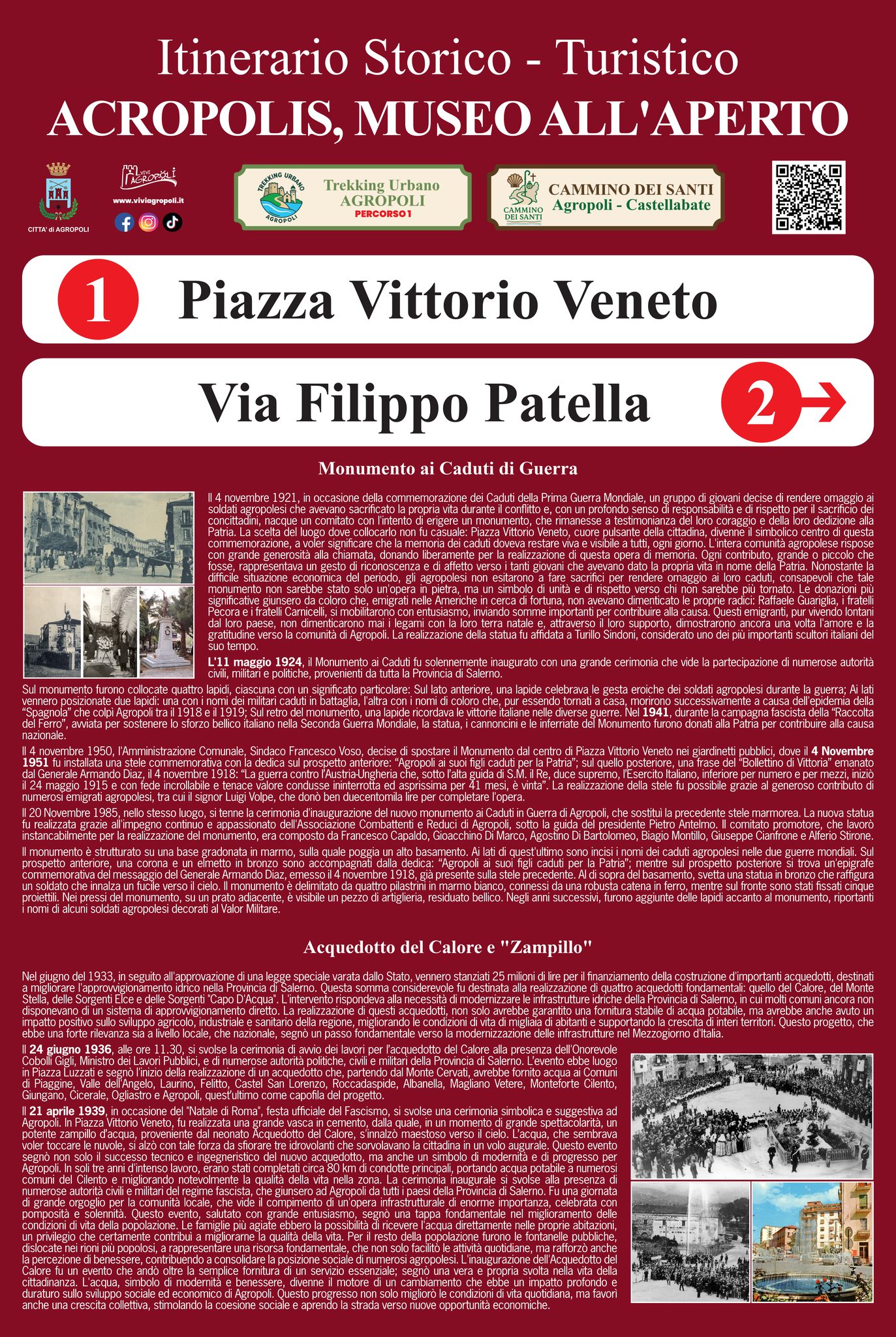
Roberto II Sanseverino was born in Salerno on May 1, 1485, to Antonello and Costanza, daughter of Federico da Montefeltro, Duke of Urbino. Roberto II belonged to one of the most powerful lineages of the Angevin party, which, through alliances and marriages, managed to maintain a prominent position among the nobility of the Kingdom of Naples. His life, unfortunately short, was intertwined with significant historical events that affected the Kingdom of Naples and Italian Renaissance politics.
1485 was the year of the “Conspiracy of the Barons” against the King of Naples, Ferdinand (Ferrante) I of Naples (Valencia, 1423 – Naples, January 25, 1494), in which his father Antonello played a leading role. The young Roberto was held hostage in Naples at Castel Nuovo from June 12, 1487, until March 8, 1495. He was allowed to reunite with his father Antonello, who was serving in the fleet of Charles VIII of France, and followed him in all his military campaigns against the Aragonese.
On January 27, 1499, his father died, leaving Roberto, just fourteen years old, in the position of a fallen prince. On May 25, 1506, he received from King Ferdinand the Catholic the official privilege of restitution of his properties and titles. He married Marina d’Aragona, daughter of Alfonso, Duke of Villahermosa, natural brother of King Ferdinand. From their marriage were born: Ferrante in 1507; Giovanna in 1508, who died in infancy; and Laura in 1509, a few months after her father’s death.
Roberto II Sanseverino died prematurely in Agropoli on November 2, 1508, at the age of 23. The cause of his death remains shrouded in mystery, although some historical sources suggest it may have been due to an illness or a deadly fever, which at that time could be difficult to diagnose and treat. His passing, occurring during a period of political instability, also marked the end of a hope for renewal for the family, which had to face the struggle for power in an increasingly complex context. Roberto II Sanseverino remains a tragic figure, symbolizing an era marked by instability and the ambitions of a family that, despite its resources, never fully consolidated its power.
Norman City Walls
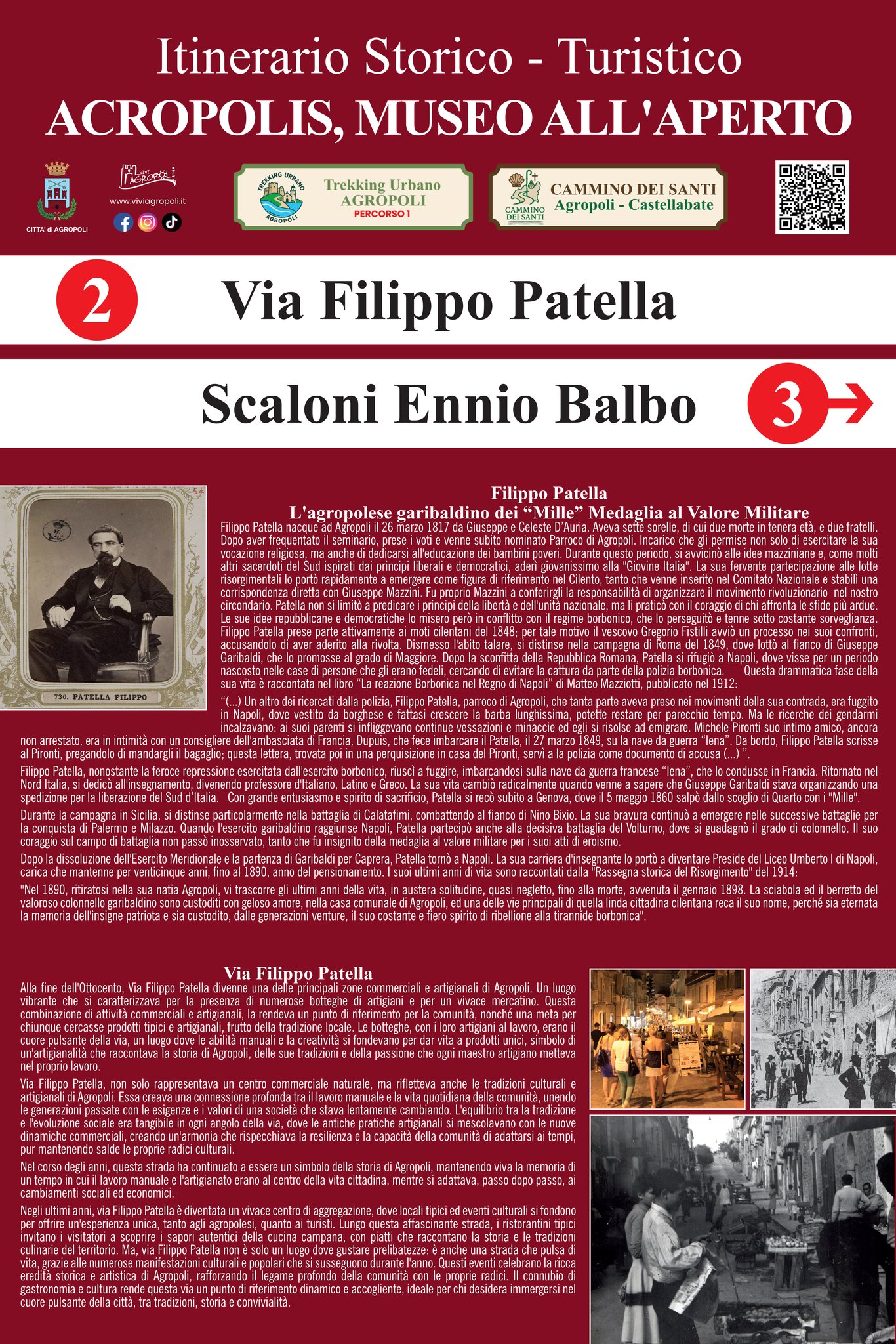
During the Norman domination period (1077–1189), the Acropolis became a fortress of extraordinary importance, both militarily and economically. Thanks to advanced engineering and the design of imposing defensive structures, the city gained a strategic position, allowing it to dominate the surrounding territory. The defensive structures were designed to ensure protection both from sea raids and terrestrial threats, and were further completed during the Swabian period, consolidating its role as a key defensive point for the Agropoli territory.
One of the most significant works of this period is the city walls surrounding the fortified center of the ancient Acropolis. At the center of this structure rises the castle, the focal point of the settlement, from which two arms of walls built with local stone extend. These arms were constructed to defend the entire promontory, maximizing security and control over the area:
- The southern arm, which has been well preserved over the centuries, stretches from the castle to the entrance gate of the citadel. This section is reinforced by three square towers and a fourth tower, incorporated into later buildings near the entrance.
- The northern arm, starting from the castle’s drawbridge, descends steeply toward the sea, reaching the lighthouse area, but today only a few sections remain visible as witnesses of the past.
The construction of the city walls spanned from the 11th to the 14th century, reflecting the military needs of the era. Its structure features solid defensive architecture, with walls built of local stone, approximately 2.5 meters thick and up to 10 meters high. The square towers, designed to withstand attacks, have a base of 5 meters and a height reaching 15–16 meters; they are equipped with loopholes and battlements, allowing for highly effective defense in case of assault.
The city walls were not only defensive but also a tangible symbol of stable and authoritative power, designed to withstand the test of time and external threats, asserting the strength and permanence of the authority governing the Acropolis. These engineering works, reflecting the sophistication and efficiency of medieval military techniques, are today among the most valuable historical and architectural elements of Agropoli. Their grandeur testifies to the importance of the city in past centuries and the strategic vision of its rulers, who skillfully integrated defensive needs with economic and political interests, creating a settlement capable of withstanding any threat.
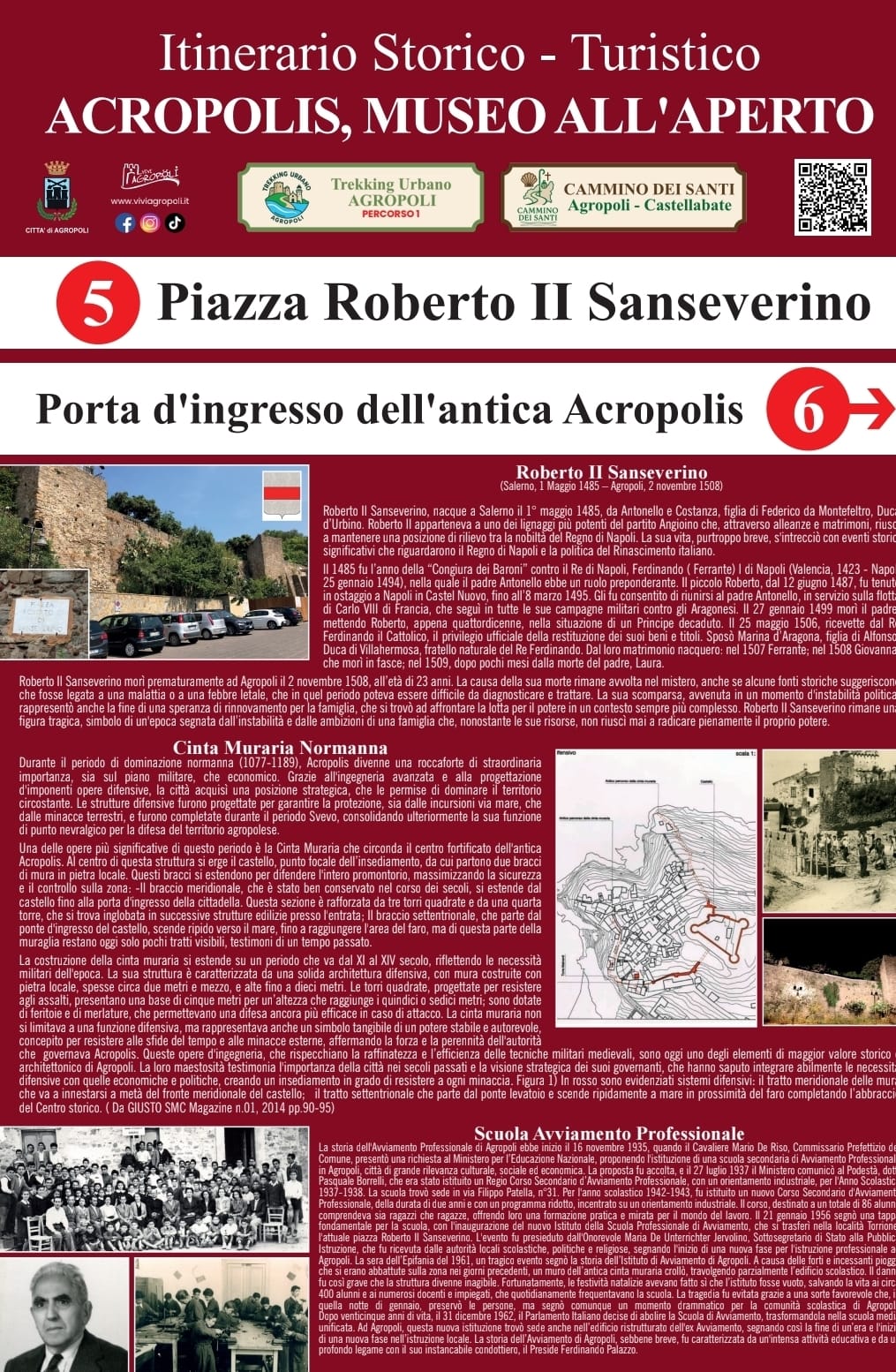
Figure 1: In red are highlighted the defensive systems: the southern stretch of the walls, which connects to the middle of the southern front of the castle; the northern stretch, which starts from the drawbridge and descends steeply to the sea near the lighthouse, completing the embrace of the historic center. (From GIUSTO SMC Magazine n.01, 2014 pp.90-95)
Vocational School
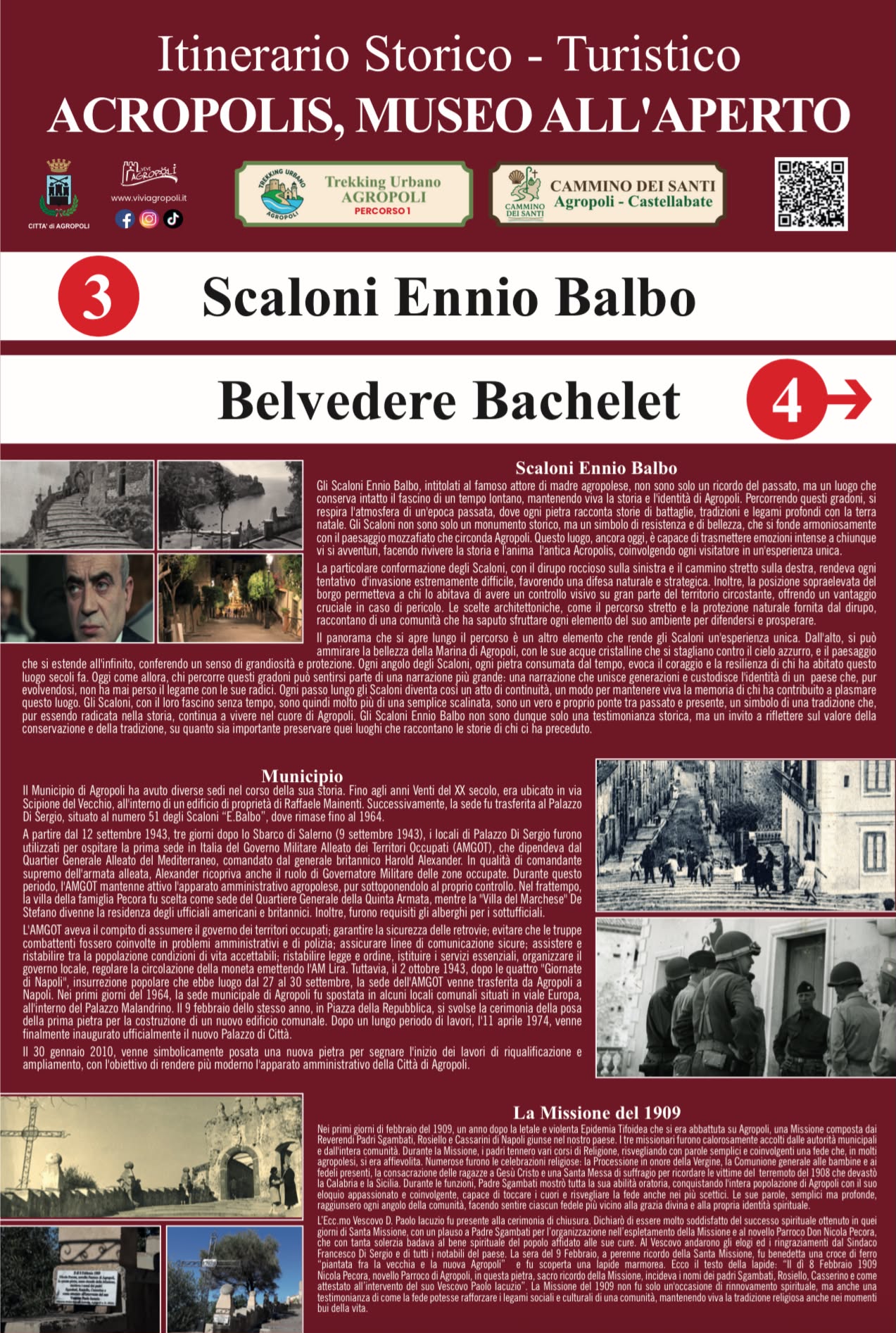
The history of Vocational Training in Agropoli began on November 16, 1935, when Knight Mario De Riso, Prefectural Commissioner of the Municipality, submitted a request to the Ministry of National Education, proposing the establishment of a secondary Vocational School in Agropoli, a city of great cultural, social, and economic relevance. The proposal was accepted, and on July 27, 1937, the Ministry informed the Podestà, Dr. Pasquale Borrelli, that a Royal Secondary Course of Vocational Training with an industrial orientation had been established for the school year 1937–1938. The school was located at Via Filippo Patella, No. 31.
For the school year 1942–1943, a new two-year secondary course of vocational training was established, with a reduced program focused on industrial orientation. The course, intended for a total of 86 students, included both boys and girls, providing practical and targeted training for the workforce.
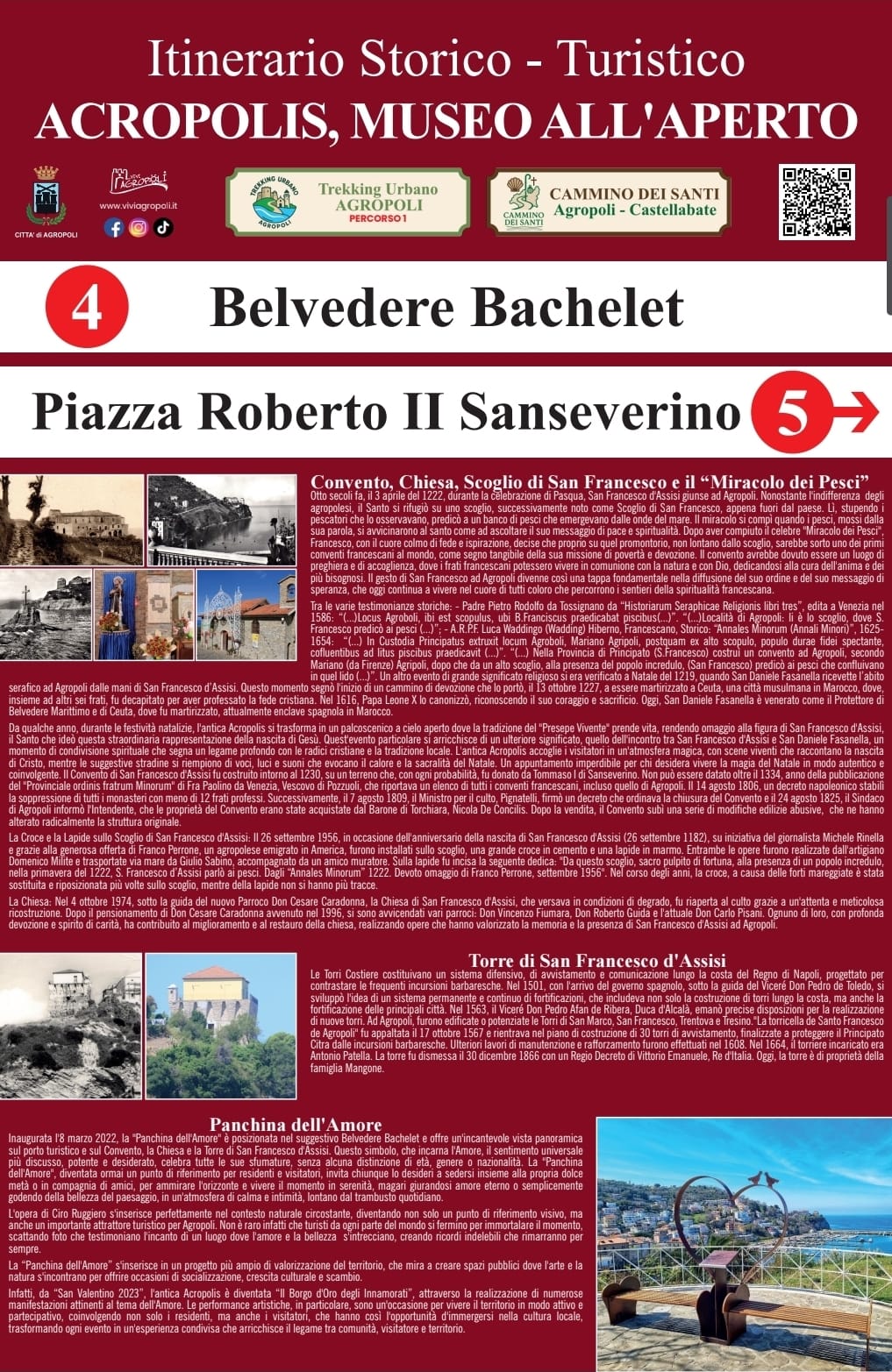
On January 21, 1956, a milestone event occurred with the inauguration of the new Vocational Training Institute, which moved to the Torrione area, now Piazza Roberto II Sanseverino. The event was presided over by the Honorable Maria De Unterrichter Jervolino, Undersecretary of State for Public Education, who was received by local school, political, and religious authorities, marking the beginning of a new phase for vocational education in Agropoli.
On the evening of Epiphany 1961, a tragic event marked the history of the Agropoli Vocational Institute. Due to heavy and continuous rainfall in the preceding days, a wall of the ancient city walls collapsed, partially destroying the school building. The damage was so severe that the structure became uninhabitable. Fortunately, the Christmas holidays meant the institute was empty, saving the lives of about 400 students and numerous teachers and staff who regularly attended the school. The tragedy was avoided thanks to a fortunate twist of fate, but it nonetheless marked a dramatic moment for the Agropoli school community.
After twenty-five years, on December 31, 1962, the Italian Parliament decided to abolish the Vocational School, transforming it into a unified middle school. In Agropoli, this new institution also took up residence in the renovated former Vocational School building, marking the end of an era and the beginning of a new phase in local education. The history of vocational training in Agropoli, though brief, was characterized by intense educational activity and a deep bond with its tireless leader, Principal Ferdinando Palazzo.
🇩🇪 Roberto II Sanseverino
(Salerno, 1. Mai 1485 – Agropoli, 2. November 1508)
Roberto II Sanseverino wurde am 1. Mai 1485 in Salerno als Sohn von Antonello und Costanza, Tochter von Federico da Montefeltro, Herzog von Urbino, geboren. Roberto II gehörte zu einem der mächtigsten Familienzweige der Anjou-Partei, die durch Allianzen und Heiraten eine prominente Stellung unter dem Adel des Königreichs Neapel behaupten konnte. Sein Leben, leider kurz, war eng mit bedeutenden historischen Ereignissen verbunden, die das Königreich Neapel und die Politik der italienischen Renaissance betrafen.
1485 war das Jahr der „Verschwörung der Barone“ gegen den König von Neapel, Ferdinand (Ferrante) I. von Neapel (Valencia, 1423 – Neapel, 25. Januar 1494), an der sein Vater Antonello eine führende Rolle spielte. Der junge Roberto wurde vom 12. Juni 1487 bis zum 8. März 1495 als Geisel im Castel Nuovo in Neapel festgehalten. Er durfte sich wieder mit seinem Vater Antonello vereinen, der in der Flotte Karls VIII. von Frankreich diente, und folgte ihm auf allen militärischen Feldzügen gegen die Aragonesen.
Am 27. Januar 1499 starb sein Vater, wodurch Roberto, erst vierzehn Jahre alt, in die Lage eines gefallenen Prinzen versetzt wurde. Am 25. Mai 1506 erhielt er vom König Ferdinand dem Katholischen das offizielle Privileg zur Rückgabe seiner Güter und Titel. Er heiratete Marina d’Aragona, Tochter von Alfonso, Herzog von Villahermosa, natürlicher Bruder von König Ferdinand. Aus ihrer Ehe gingen hervor: Ferrante (1507); Giovanna (1508), die im Säuglingsalter starb; und Laura (1509), einige Monate nach dem Tod ihres Vaters.
Roberto II Sanseverino starb vorzeitig am 2. November 1508 in Agropoli im Alter von 23 Jahren. Die Todesursache bleibt rätselhaft, obwohl einige historische Quellen vermuten lassen, dass sie mit einer Krankheit oder einem tödlichen Fieber zusammenhing, das zu dieser Zeit schwer zu diagnostizieren und zu behandeln war. Sein Tod, der in einer Phase politischer Instabilität stattfand, markierte auch das Ende der Hoffnung auf Erneuerung für die Familie, die sich nun einem immer komplexer werdenden Machtkampf stellen musste. Roberto II Sanseverino bleibt eine tragische Figur, ein Symbol für eine Epoche der Instabilität und der Ambitionen einer Familie, die trotz ihrer Ressourcen nie vollständig ihre Macht festigen konnte.
Normannische Stadtmauer
Während der normannischen Herrschaft (1077–1189) wurde die Akropolis zu einer Festung von außerordentlicher Bedeutung, sowohl militärisch als auch wirtschaftlich. Dank fortschrittlicher Ingenieurkunst und der Errichtung imposanter Verteidigungsanlagen erlangte die Stadt eine strategische Position, die ihr die Kontrolle über das umliegende Gebiet erlaubte. Die Verteidigungsanlagen wurden sowohl gegen Angriffe vom Meer als auch gegen Bedrohungen vom Land ausgelegt und während der Stauferzeit weiter vervollständigt, wodurch ihre Funktion als zentraler Verteidigungspunkt für das Gebiet von Agropoli gefestigt wurde.
Eines der bedeutendsten Werke dieser Zeit ist die Stadtmauer, die das befestigte Zentrum der alten Akropolis umgibt. Im Zentrum dieser Anlage erhebt sich die Burg, der Mittelpunkt der Siedlung, von der zwei Mauern aus lokalem Stein abzweigen. Diese Mauern erstrecken sich zum Schutz des gesamten Vorgebirges und maximieren die Sicherheit und Kontrolle über die Umgebung:
- Der südliche Arm, der über die Jahrhunderte gut erhalten blieb, reicht von der Burg bis zum Eingangstor der Zitadelle. Dieser Abschnitt ist durch drei quadratische Türme verstärkt, sowie einen vierten Turm, der in späteren Gebäuden nahe dem Eingang integriert ist.
- Der nördliche Arm beginnt an der Zugbrücke der Burg und fällt steil zum Meer ab, bis er den Bereich des Leuchtturms erreicht. Heute sind von diesem Abschnitt nur noch wenige Abschnitte sichtbar, Zeugnisse vergangener Zeiten.
Der Bau der Stadtmauer erstreckte sich vom 11. bis zum 14. Jahrhundert und spiegelt die militärischen Bedürfnisse jener Epoche wider. Die Struktur zeichnet sich durch solide Verteidigungsarchitektur aus, mit Mauern aus lokalem Stein, etwa 2,5 Meter dick und bis zu 10 Meter hoch. Die quadratischen Türme, die Angriffen standhalten sollten, haben eine Basis von 5 Metern und erreichen eine Höhe von 15–16 Metern; sie sind mit Schießscharten und Zinnen ausgestattet, was eine besonders effektive Verteidigung im Falle eines Angriffs ermöglichte.
Die Stadtmauer hatte nicht nur eine defensive Funktion, sondern war auch ein greifbares Symbol stabiler und autoritärer Macht, entworfen, um den Prüfungen der Zeit und äußeren Bedrohungen standzuhalten, und stellte die Stärke und Beständigkeit der Autorität dar, die die Akropolis regierte. Diese Ingenieurwerke, die die Raffinesse und Effizienz mittelalterlicher Militärtechniken widerspiegeln, gehören heute zu den wertvollsten historischen und architektonischen Elementen von Agropoli. Ihre Majestät zeugt von der Bedeutung der Stadt in vergangenen Jahrhunderten und von der strategischen Vision ihrer Herrscher, die die Verteidigungsnotwendigkeiten geschickt mit wirtschaftlichen und politischen Interessen kombinierten und so eine Siedlung schufen, die jeder Bedrohung standhalten konnte.
Abbildung 1: In Rot sind die Verteidigungssysteme hervorgehoben: der südliche Mauerabschnitt, der sich an der Mitte der südlichen Front der Burg anschließt; der nördliche Abschnitt, der von der Zugbrücke steil zum Meer in der Nähe des Leuchtturms abfällt und die Umfassung des historischen Zentrums vervollständigt. (Aus GIUSTO SMC Magazine Nr. 01, 2014, S. 90–95)
Berufsschule
Die Geschichte der beruflichen Ausbildung in Agropoli begann am 16. November 1935, als Ritter Mario De Riso, Präfekturalkommissar der Gemeinde, beim Ministerium für Nationale Erziehung einen Antrag auf Einrichtung einer Sekundarschule für berufliche Ausbildung in Agropoli stellte, einer Stadt von großer kultureller, sozialer und wirtschaftlicher Bedeutung. Der Vorschlag wurde angenommen, und am 27. Juli 1937 teilte das Ministerium dem Podestà, Dr. Pasquale Borrelli, mit, dass ein königlicher Sekundarkurs für berufliche Ausbildung mit industrieller Ausrichtung für das Schuljahr 1937–1938 eingerichtet worden sei. Die Schule befand sich in der Via Filippo Patella Nr. 31.
Für das Schuljahr 1942–1943 wurde ein neuer zweijähriger Sekundarkurs mit verkürztem Programm und industrieller Ausrichtung eingerichtet. Der Kurs richtete sich an insgesamt 86 Schüler, Jungen und Mädchen, und bot ihnen praxisnahe und zielgerichtete Ausbildung für das Berufsleben.
Am 21. Januar 1956 fand ein wichtiger Meilenstein mit der Einweihung der neuen Berufsschule statt, die in das Gebiet Torrione umzog, heute Piazza Roberto II Sanseverino. Die Veranstaltung wurde von der Ehrenwerten Maria De Unterrichter Jervolino, Unterstaatssekretärin für öffentliche Bildung, geleitet, die von lokalen Schul-, Politik- und Religionsvertretern empfangen wurde. Dies markierte den Beginn einer neuen Phase der beruflichen Bildung in Agropoli.
Am Abend des Dreikönigsfestes 1961 ereignete sich ein tragisches Ereignis in der Geschichte der Berufsschule von Agropoli. Aufgrund starker und anhaltender Regenfälle in den Tagen zuvor stürzte eine Mauer der alten Stadtbefestigung ein und zerstörte teilweise das Schulgebäude. Der Schaden war so schwer, dass die Struktur unbenutzbar wurde. Glücklicherweise war die Schule wegen der Weihnachtsferien leer, wodurch das Leben von etwa 400 Schülern sowie zahlreicher Lehrer und Mitarbeiter gerettet wurde. Die Tragödie wurde durch glückliche Umstände abgewendet, hinterließ jedoch einen dramatischen Einschnitt in der Schulgemeinschaft von Agropoli.
Nach fünfundzwanzig Jahren, am 31. Dezember 1962, beschloss das italienische Parlament, die Berufsschule aufzulösen und in eine einheitliche Mittelschule umzuwandeln. In Agropoli fand diese neue Institution ebenfalls in dem renovierten ehemaligen Berufsschulgebäude Platz, womit eine Ära endete und eine neue Phase der lokalen Bildung begann. Die Geschichte der Berufsschule in Agropoli, wenn auch kurz, war geprägt von intensiver pädagogischer Tätigkeit und einer tiefen Verbindung zu ihrem unermüdlichen Leiter, Schulleiter Ferdinando Palazzo.
🇫🇷 Roberto II Sanseverino
(Salerne, 1er mai 1485 – Agropoli, 2 novembre 1508)
Roberto II Sanseverino est né à Salerne le 1er mai 1485, fils d’Antonello et de Costanza, fille de Federico da Montefeltro, duc d’Urbino. Roberto II appartenait à l’une des familles les plus puissantes du parti angevin, qui, grâce à des alliances et des mariages, réussit à maintenir une position éminente parmi la noblesse du Royaume de Naples. Sa vie, malheureusement courte, fut étroitement liée à des événements historiques importants concernant le Royaume de Naples et la politique de la Renaissance italienne.
1485 fut l’année de la « Conjuration des Barons » contre le roi de Naples, Ferdinand (Ferrante) Ier de Naples (Valence, 1423 – Naples, 25 janvier 1494), à laquelle son père Antonello joua un rôle prépondérant. Le jeune Roberto fut retenu en otage au Castel Nuovo de Naples du 12 juin 1487 jusqu’au 8 mars 1495. Il put rejoindre son père Antonello, qui servait dans la flotte de Charles VIII de France, et le suivit dans toutes ses campagnes militaires contre les Aragonais.
Le 27 janvier 1499, son père mourut, plaçant Roberto, âgé de seulement quatorze ans, dans la situation d’un prince déchu. Le 25 mai 1506, il reçut du roi Ferdinand le Catholique le privilège officiel de restitution de ses biens et titres. Il épousa Marina d’Aragona, fille d’Alfonso, duc de Villahermosa, frère naturel du roi Ferdinand. De cette union naquirent : Ferrante (1507) ; Giovanna (1508), décédée en bas âge ; et Laura (1509), quelques mois après la mort de son père.
Roberto II Sanseverino mourut prématurément à Agropoli le 2 novembre 1508, à l’âge de 23 ans. La cause de sa mort reste mystérieuse, bien que certaines sources historiques suggèrent qu’elle pourrait être liée à une maladie ou à une fièvre mortelle, difficile à diagnostiquer et à traiter à l’époque. Sa disparition, survenue dans un contexte d’instabilité politique, représenta également la fin d’un espoir de renouveau pour la famille, confrontée à la lutte pour le pouvoir dans un contexte de plus en plus complexe. Roberto II Sanseverino reste une figure tragique, symbole d’une époque marquée par l’instabilité et les ambitions d’une famille qui, malgré ses ressources, n’a jamais pleinement consolidé son pouvoir.
Remparts normands
Pendant la domination normande (1077–1189), l’Acropole devint une forteresse d’une importance exceptionnelle, tant sur le plan militaire qu’économique. Grâce à une ingénierie avancée et à la construction d’imposantes fortifications, la ville acquit une position stratégique, lui permettant de contrôler le territoire environnant. Les structures défensives étaient conçues pour protéger contre les attaques par mer et par terre, et furent complétées sous la période souabe, consolidant encore davantage leur fonction de point névralgique pour la défense du territoire d’Agropoli.
Une des constructions les plus significatives de cette période est la muraille qui entoure le centre fortifié de l’ancienne Acropole. Au centre de cette structure s’élève le château, point focal de l’établissement, d’où partent deux bras de mur en pierre locale. Ces murs s’étendent pour défendre tout le promontoire, maximisant la sécurité et le contrôle de la zone :
- Le bras sud, bien conservé au fil des siècles, s’étend du château jusqu’à la porte d’entrée de la citadelle. Cette section est renforcée par trois tours carrées et une quatrième tour intégrée dans des constructions ultérieures près de l’entrée.
- Le bras nord part du pont-levis du château et descend abruptement vers la mer jusqu’à la zone du phare. Aujourd’hui, il ne reste que quelques tronçons visibles de ce mur, témoins d’un temps révolu.
La construction des remparts s’étendit du XIe au XIVe siècle, reflétant les besoins militaires de l’époque. La structure se caractérise par une architecture défensive solide, avec des murs en pierre locale d’environ 2,5 mètres d’épaisseur et jusqu’à 10 mètres de hauteur. Les tours carrées, conçues pour résister aux assauts, ont une base de 5 mètres et une hauteur de 15 à 16 mètres ; elles sont équipées de créneaux et de meurtrières, permettant une défense encore plus efficace en cas d’attaque.
Les remparts ne servaient pas uniquement à la défense, mais représentaient également un symbole tangible d’un pouvoir stable et autoritaire, conçu pour résister à l’épreuve du temps et aux menaces extérieures, affirmant la force et la permanence de l’autorité gouvernant l’Acropole. Ces ouvrages d’ingénierie, qui reflètent le raffinement et l’efficacité des techniques militaires médiévales, constituent aujourd’hui l’un des éléments historiques et architecturaux les plus précieux d’Agropoli. Leur majesté témoigne de l’importance de la ville à travers les siècles et de la vision stratégique de ses gouvernants, qui ont su intégrer habilement les nécessités défensives aux besoins économiques et politiques, créant un établissement capable de résister à toute menace.
Figure 1 : En rouge, les systèmes défensifs : le tronçon sud du mur qui se raccorde au milieu de la façade sud du château ; le tronçon nord, partant du pont-levis et descendant abruptement vers la mer près du phare, complétant l’enceinte du centre historique. (Extrait de GIUSTO SMC Magazine n°01, 2014, pp. 90–95)
École professionnelle
L’histoire de la formation professionnelle à Agropoli commence le 16 novembre 1935, lorsque le chevalier Mario De Riso, commissaire préfectoral de la commune, présenta une demande au Ministère de l’Éducation nationale pour la création d’une école secondaire professionnelle à Agropoli, ville de grande importance culturelle, sociale et économique. La proposition fut acceptée et, le 27 juillet 1937, le Ministère informa le Podestà, Dr Pasquale Borrelli, de la création d’un cours secondaire royal d’orientation professionnelle à vocation industrielle pour l’année scolaire 1937–1938. L’école se trouvait via Filippo Patella n°31.
Pour l’année scolaire 1942–1943, un nouveau cours secondaire professionnel de deux ans avec programme réduit et orientation industrielle fut créé. Ce cours, destiné à 86 élèves, garçons et filles, offrait une formation pratique et ciblée pour le monde du travail.
Le 21 janvier 1956 fut inauguré le nouvel établissement professionnel, transféré dans le quartier de Torrione, aujourd’hui Piazza Roberto II Sanseverino. La cérémonie fut présidée par l’Honorable Maria De Unterrichter Jervolino, sous-secrétaire d’État à l’Éducation publique, accueillie par les autorités scolaires, politiques et religieuses locales. Ce fut le début d’une nouvelle phase pour l’éducation professionnelle à Agropoli.
Lors de la soirée de l’Épiphanie 1961, un événement tragique marqua l’histoire de l’institut professionnel d’Agropoli : en raison de pluies fortes et continues, un mur de l’ancienne enceinte s’effondra partiellement sur le bâtiment scolaire. Les dégâts furent si importants que la structure devint inutilisable. Heureusement, les vacances de Noël avaient laissé l’école vide, sauvant la vie d’environ 400 élèves ainsi que de nombreux enseignants et employés. La tragédie fut évitée par une heureuse coïncidence, mais elle laissa une empreinte dramatique sur la communauté scolaire d’Agropoli.
Après vingt-cinq ans d’activité, le 31 décembre 1962, le Parlement italien décida de supprimer l’école professionnelle et de la transformer en école secondaire unifiée. À Agropoli, cette nouvelle institution prit place dans le bâtiment rénové de l’ancienne école professionnelle, marquant la fin d’une ère et le début d’une nouvelle phase dans l’enseignement local. L’histoire de l’école professionnelle d’Agropoli, bien que courte, fut marquée par une activité éducative intense et un lien profond avec son directeur infatigable, le principal Ferdinando Palazzo.